Three Questions Critical to Field Operations

What problem do you solve for 
the Army?

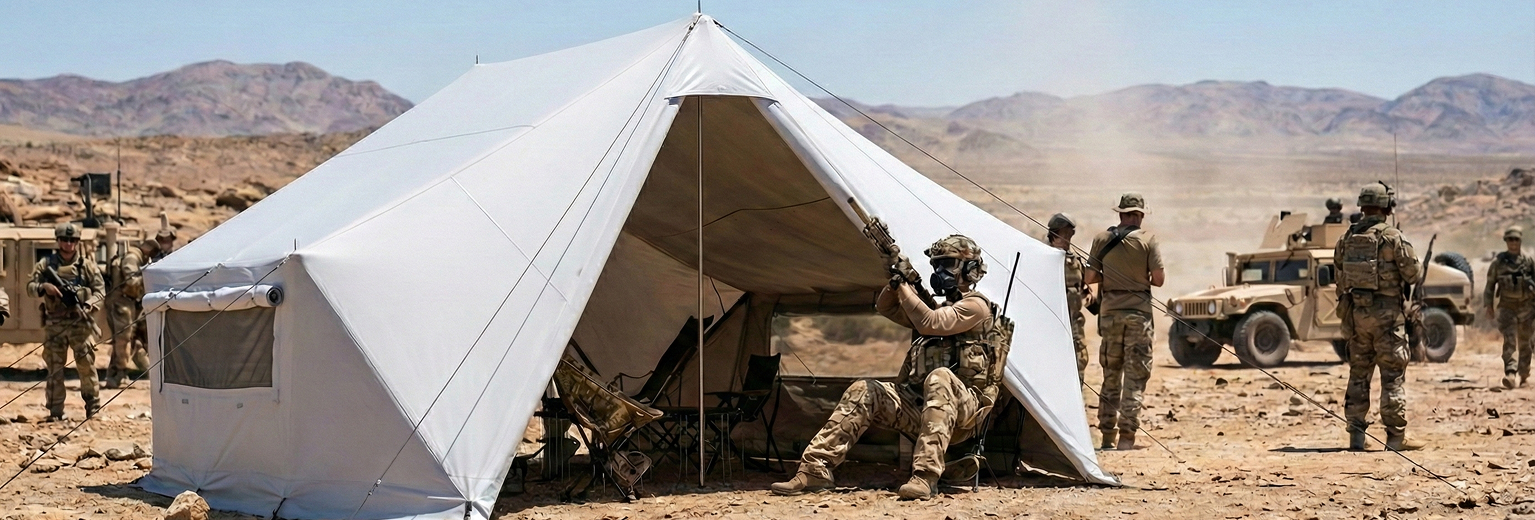
Extreme heat degrades mission readiness. In forward
deployed and expeditionary environments, high
temperatures increase heat stress on personnel, cause
equipment failures, drive fuel consumption for cooling,
and trigger emergency maintenance missions that put
lives and logistics at risk.

How does SolarMantle solve it differently?

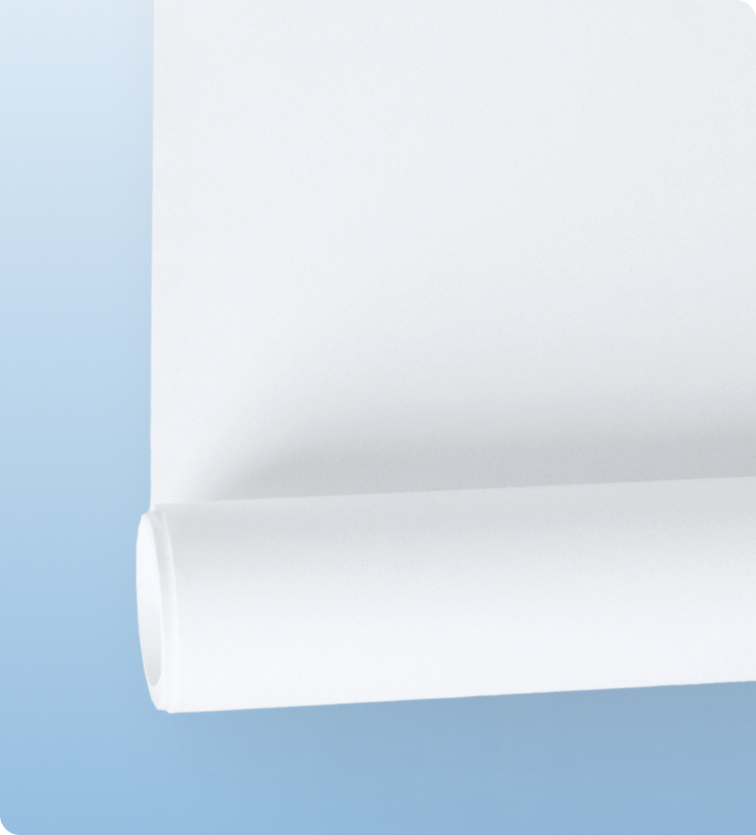
SolarMantle addresses heat at the surface level before
it enters shelters, equipment, and enclosures. Instead of
adding powered cooling systems, SolarMantle uses a
passive thin film material that reflects incoming solar heat
and releases absorbed heat back into the atmosphere. This
reduces thermal load continuously, without electricity,
fuel, water, or moving parts.

What is the operational benefit?

Lower peak temperatures translate directly into
higher equipment reliability, reduced fuel demand, fewer
maintenance missions, and greater resilience during
heatwaves. SolarMantle improves operational stability in
extreme environments while reducing dependence on
power and logistics support.

When Heat Becomes
a Mission Risk

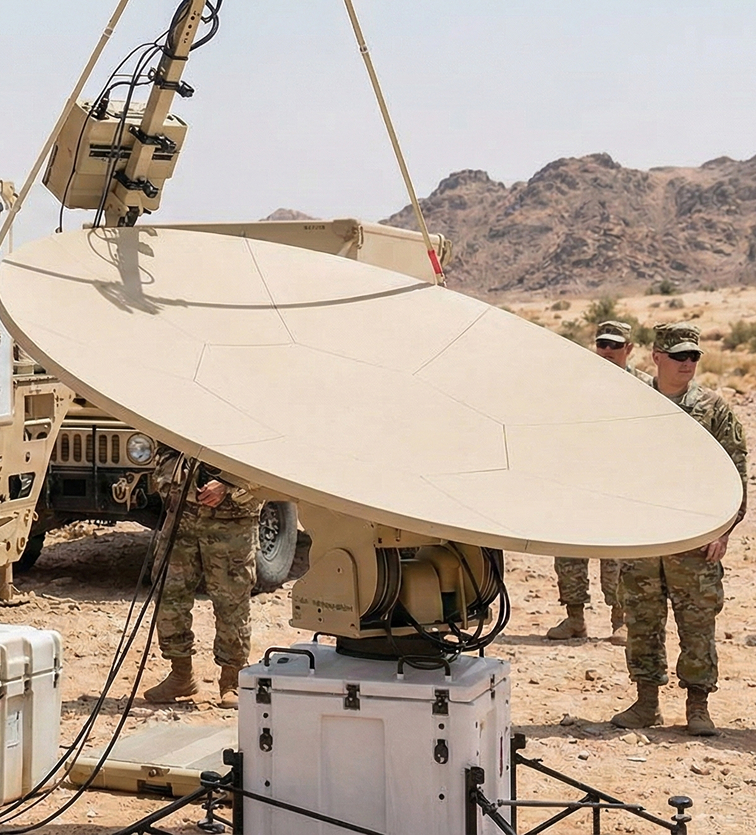
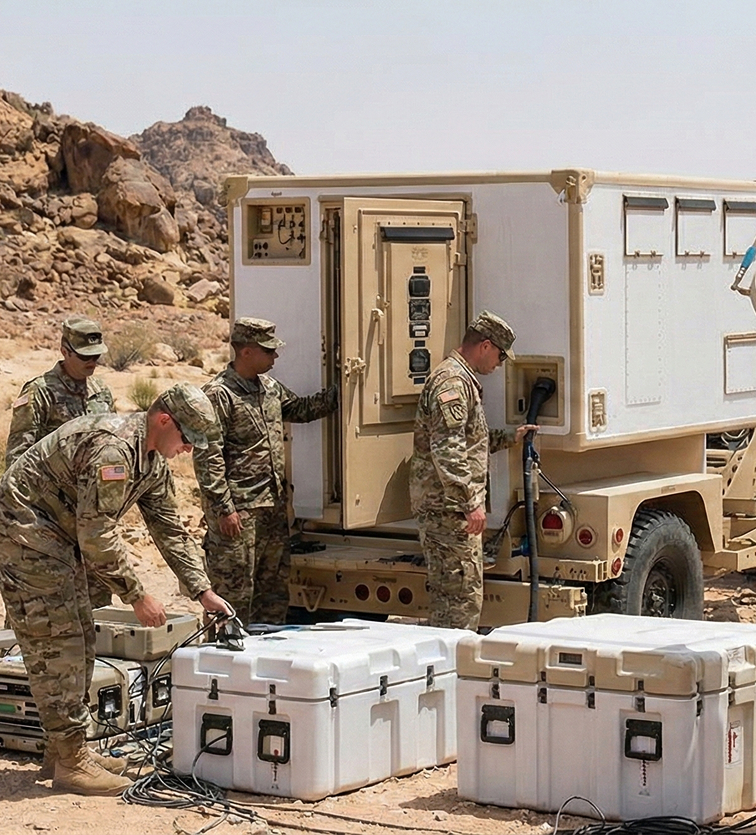
In forward deployed and expeditionary environments, heat is not just discomfort. It directly threatens mission readiness and operational stability. Extreme temperatures lead to:

Increased heat
stress and fatigue
for personnel

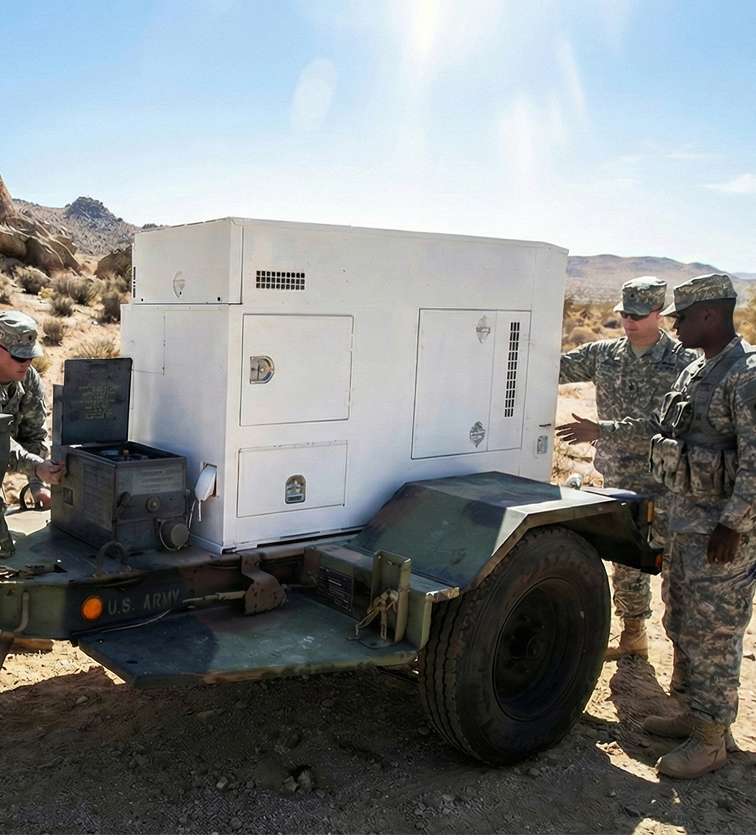
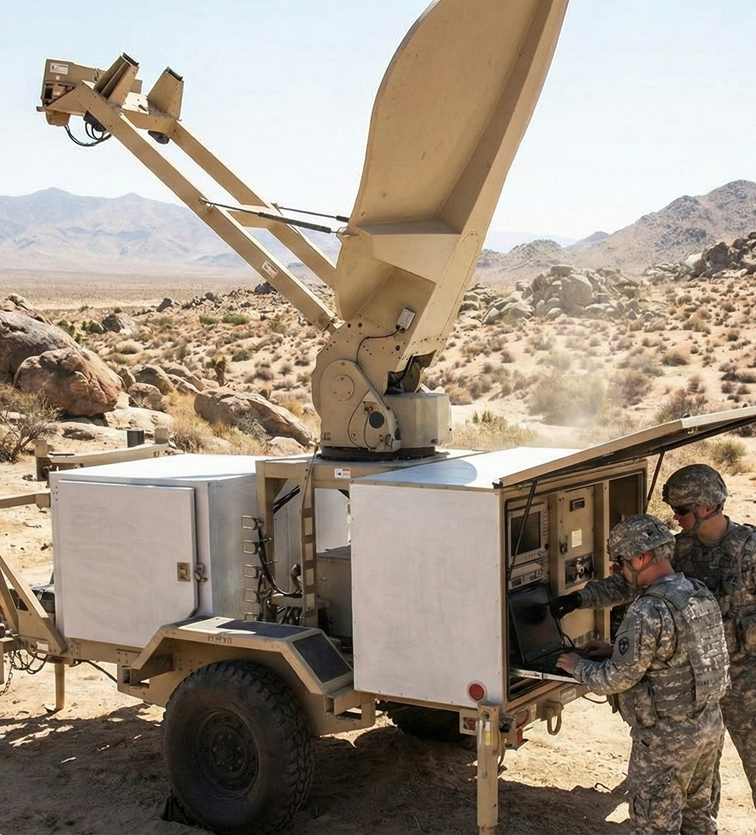
Overheating of generators, radios, surveillance, and control equipment

Higher fuel consumption to support cooling

More frequent equipment failures and emergency maintenance

Why Active Cooling
Falls Short in the Field

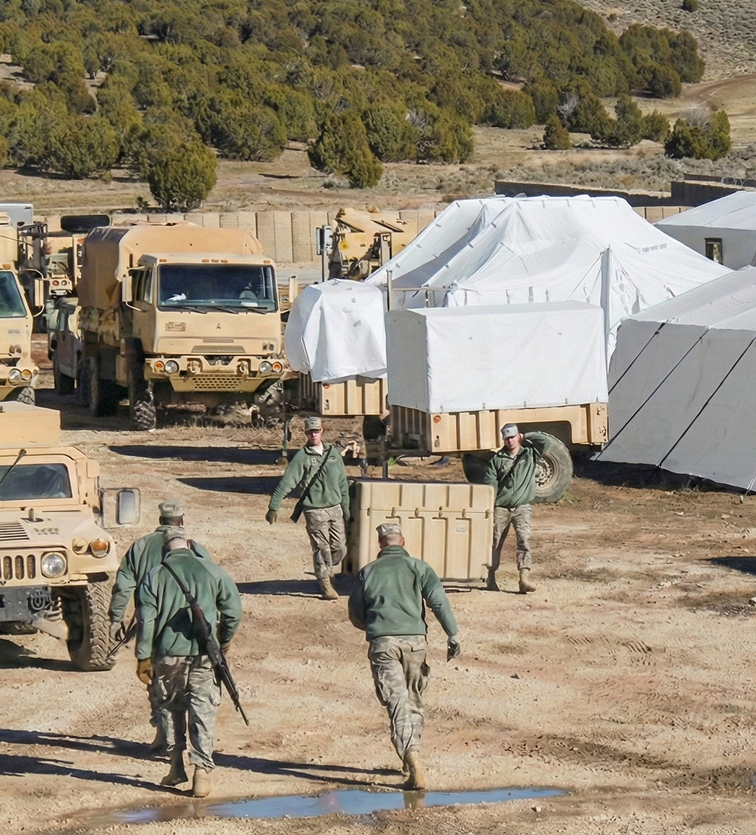
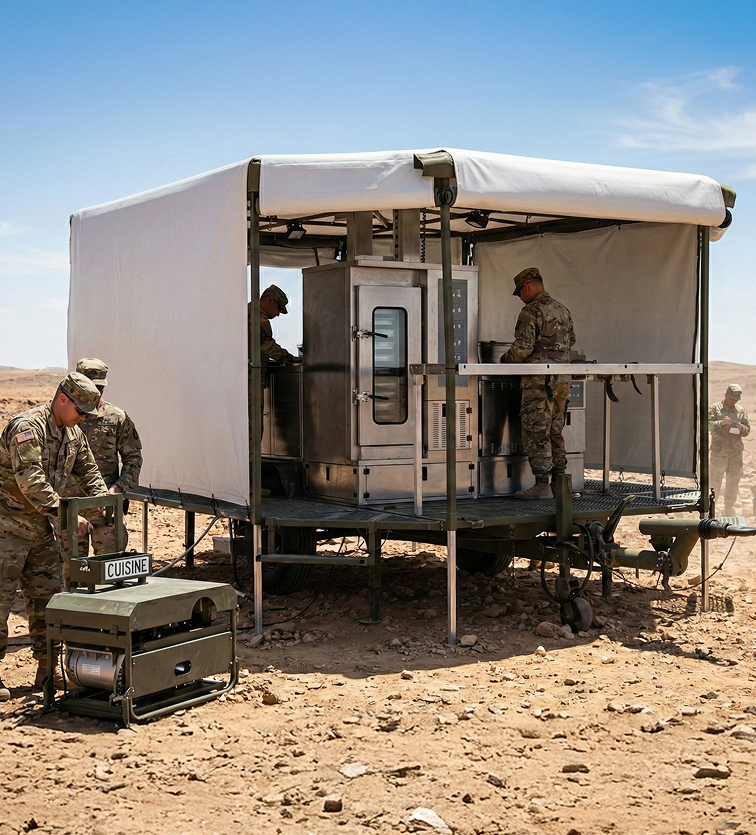
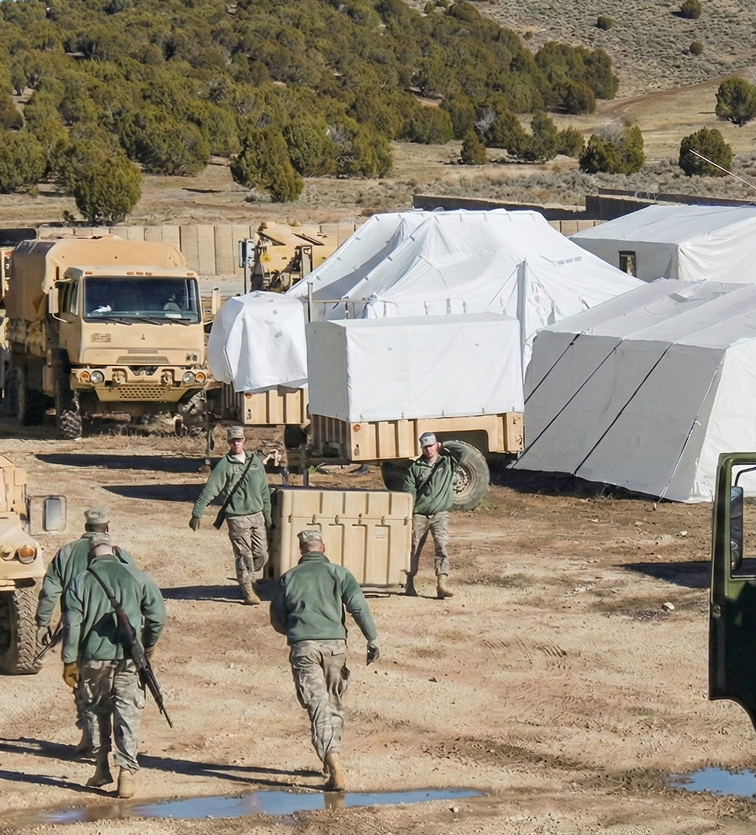
In desert, tropical, and high sun regions, even shaded or fabric structures can reach unsafe internal temperatures within hours.

Why Active Cooling

Falls Short in the Field

Air conditioning and ventilation help, but in remote and contested environments they introduce new risks.

Dependence on constant power 
and fuel resupply

Reduced efficiency during extreme ambient heat

Added weight, 
logistics, and setup time

Higher failure rates during extended deployments

When logistics chains are stretched, reducing heat before it enters the structure becomes critical.

Core Value for Defense Operations

SolarMantle is engineered around outcomes that matter in military and defense environments where reliability and logistics efficiency are critical.

Peak Risk 


Mitigation

Reduces peak thermal load during
the hottest hours of the day,
lowering the likelihood of thermal
trips, equipment shutdowns, and
emergency maintenance missions.

Heatwave 


Resilience

Performs best during hot, cloudless
days when systems are under
maximum stress. By stabilizing
surface temperatures, SolarMantle
improves operational resilience
during prolonged heat events.

Deferred Cooling

Upgrades

Lower thermal stress slows wear
on generators, HVAC systems, and
power equipment, allowing defense
teams to delay or avoid costly
cooling capacity upgrades.

Fast, Field-Ready

Deployment

SolarMantle is designed for real world deployment, not lab environments.

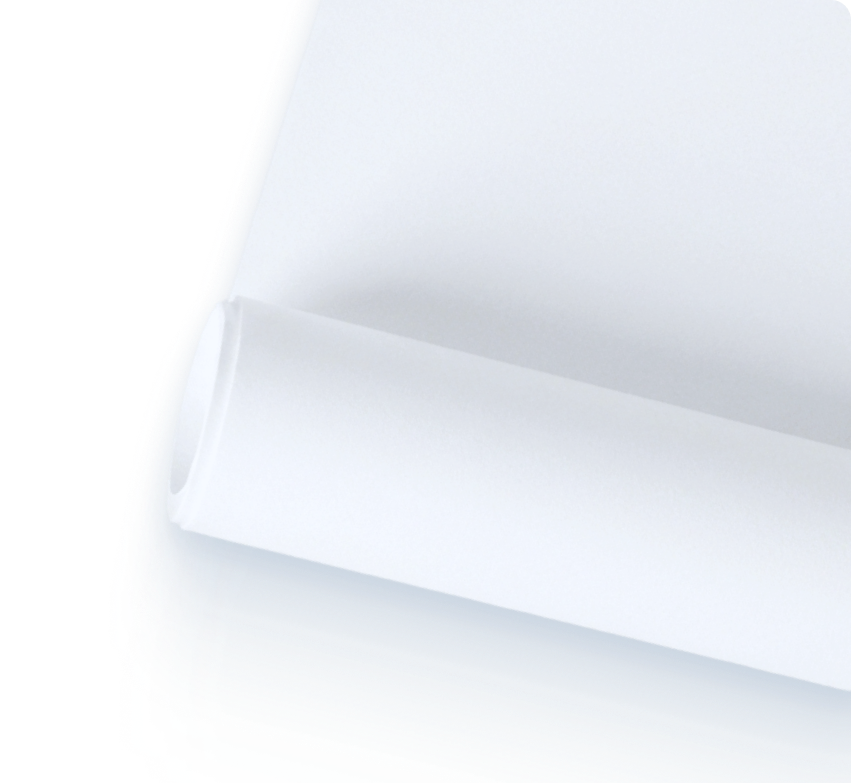
Supplied as
lightweight rolls

for easy transport

Applies to fabric,
metal, and composite
surfaces

Requires minimal 

tools and manpower

No curing time,
cooling effect begins
immediately

Suitable for both
permanent outposts
and rapidly deployed
temporary camps.

Operational Benefits for

Command and Logistics Teams

For remote outstations, every reduction in fuel and equipment dependency improves overall mission efficiency.

Operational Advantages

  • Lower ambient temperatures inside shelters
  • Improved working conditions for personnel
  • Increased uptime for critical equipment
  • Reduced dependence on active cooling

Logistics and Cost Advantages

  • Lower fuel consumption
  • Reduced generator load
  • No maintenance or spare parts
  • Lower lifecycle cost compared to powered cooling systems

Trust and Validation

SolarMantle’s passive cooling technology has been validated through defense focused programs and real world field testing.
Recognized and Supported By:

U.S. Army XTechSearch

Winner, Contested Logistics:
Selected for addressing operational
challenges in logistics constrained
environments

U.S. Army Corps of Engineers

Field testing demonstrated reduced
cooling load on hot, clear days
compared to standard and white
painted structures

U.S. National Laboratory of the Rockies

Supported within the national applied
research ecosystem

Who This Is For

Stakeholders:
Operations commanders, engineering corps,
logistics officers, sustainment planners, and
defense procurement teams focused
on survivability and efficiency.
Designed for teams responsible for:

Pilot, Test, and Deploy

SolarMantle can be evaluated through controlled field testing and pilot installations before large scale deployment.

Next Steps:

  • Schedule a technical briefing
  • Request sample materials for field evaluation
  • Discuss pilot and deployment options